
pi said it spent $6.25. Anthropic billed $9.19.
Empryo said it spent $7.06. Anthropic billed $7.08.
Same benchmark. Same bugs. Same models. Separate API keys, one per agent. That last part is the only reason I know any of this.
Every number in this post is reproducible from a public harness with the raw results committed.
Nobody audits the bill
Every agent shows you a cost figure in its status bar. Every benchmark post quotes it. Almost nobody checks it against what the provider actually charged.
So I gave each agent its own Anthropic API key. Not for convenience. For attribution. When each contestant has its own key, the provider's console becomes an independent judge that doesn't care about anyone's telemetry.
The first audit, round one, found this:
round 1 · anthropic console vs self-report
─────────────────────────────────────────────
empryo   said 1,089,262 tokens · $1.13
         billed 1,089,262 tokens · $1.13     ✓ exact
pi       said 1.70M tokens · $1.42
billed 6.21M tokens · $1.58 ✗ −73% inputpi's own events missed 73% of the input tokens it actually sent. Not malice. Its per-message accounting simply didn't count cache reads. But every blog post ever written using pi's self-reported costs was off by that much.
Credit where due, and a new failure mode
Here's the part vendor posts usually skip: pi fixed it. By 0.80.7 its per-message accounting was clean, and in round two its Haiku tier matched the console *exactly*. Good engineering, honestly.
And then the audit caught something completely different.
One of pi's Opus runs hung. The harness killed it after eight minutes, per protocol. pi reported that cell as $0.00, because the process died before its accounting event fired. The console showed roughly $3 of very real Opus tokens for those eight minutes.
round 2 · anthropic console vs self-report
─────────────────────────────────────────────
empryo   said $7.06 · billed $7.08           ✓ exact
pi said $6.25 · billed $9.19 ✗ −32%Round one's bug was undercounting. Round two's was crash-invisible spend: money that vanishes from the books whenever an agent dies mid-run. Different mechanism, same lesson: the failure modes keep changing, so the audit can't stop.
Empryo's number has now matched the console in every audit. To the cent in round one, within display rounding in round two. That's not luck; the cost figure in the status bar *is* the ledger the billing math runs on. An agent's cost display should be a bill, not a vibe.
Where I lose
A benchmark where the vendor wins every row is marketing. Here's my column of losses:
- pi's harness is ~8× lighter than mine. Its fixed overhead per model call is ~2.6k tokens; Empryo carries ~21k (the code-intelligence graph isn't free). On Opus — smart enough to navigate a repo without my map — pi beat my per-cell cost on three of five tasks.
- My agent fumbled too. On one Haiku cell Empryo left debug prints in the diff and failed the hidden tests. It's in the raw results, unedited.
- Single trial per cell. Agent runs are stochastic; I report direction, not decimals, and the per-cell spread is visible in the JSON.
The wins that survive those caveats: more bugs fixed (15/19 vs 13/19 across both rounds), 23% cheaper on the actual bill, 38% faster — and books that balance.
The opinion part
Treat every self-reported agent cost as fiction until someone with a separate key audits it. Berkeley's RDI group showed most agent benchmarks can be gamed outright; costs are even softer, because nobody's watching the meter. The industry quotes pass rates to two decimal places while getting *dollars* wrong by 32–73%.
If you're choosing an agent on published cost numbers, you're choosing on fiction.
Prove me wrong — please
The harness, the tasks, the hidden acceptance tests, and every raw result JSON are in one repo. Two API keys and one command re-run the whole thing. If your rerun disagrees with mine, publish it — I'll put your numbers next to mine on the benchmarks page.
That's an offer a bigger company's legal team wouldn't let them make.
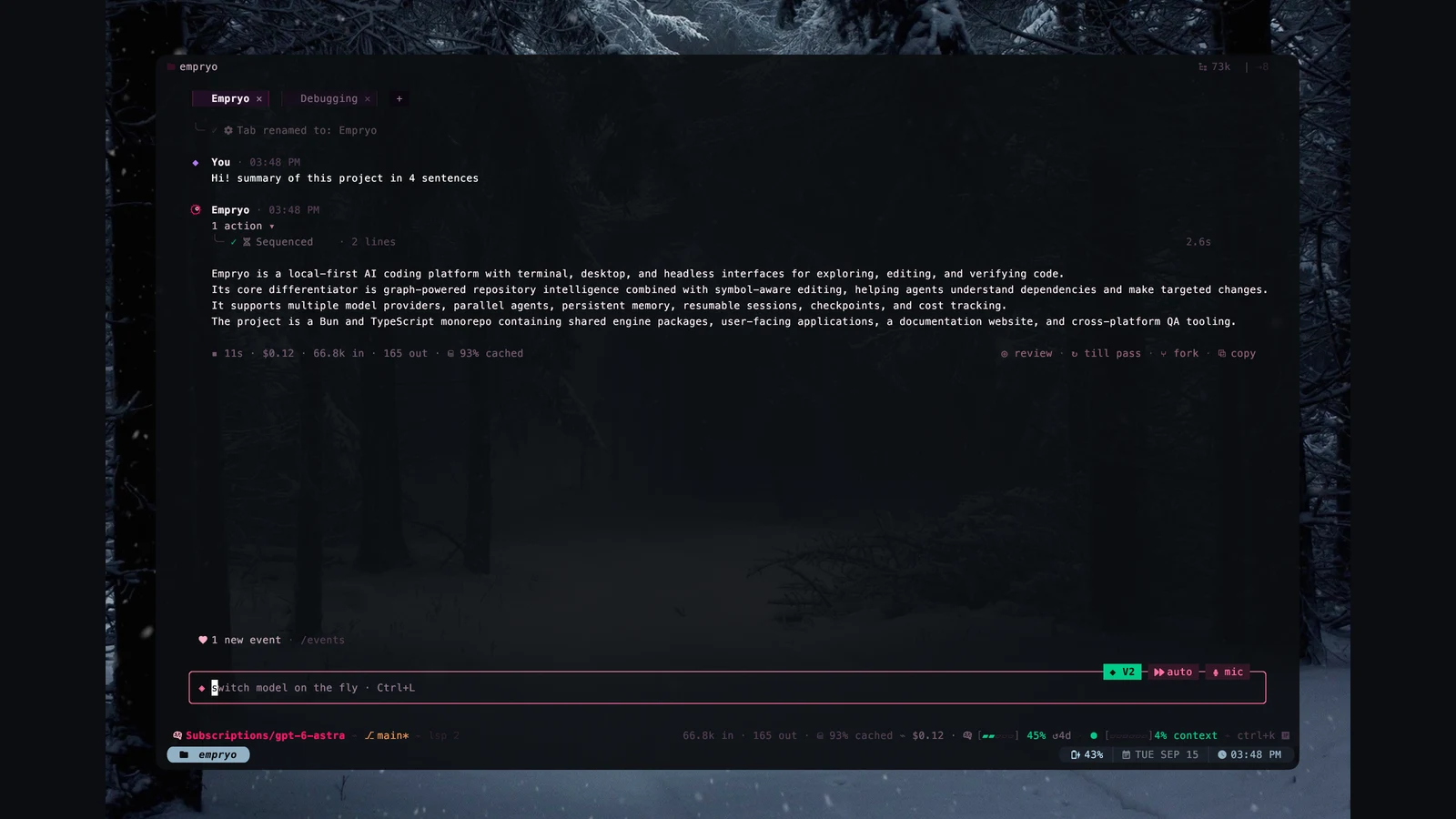 Compare AI coding agents on your own repository
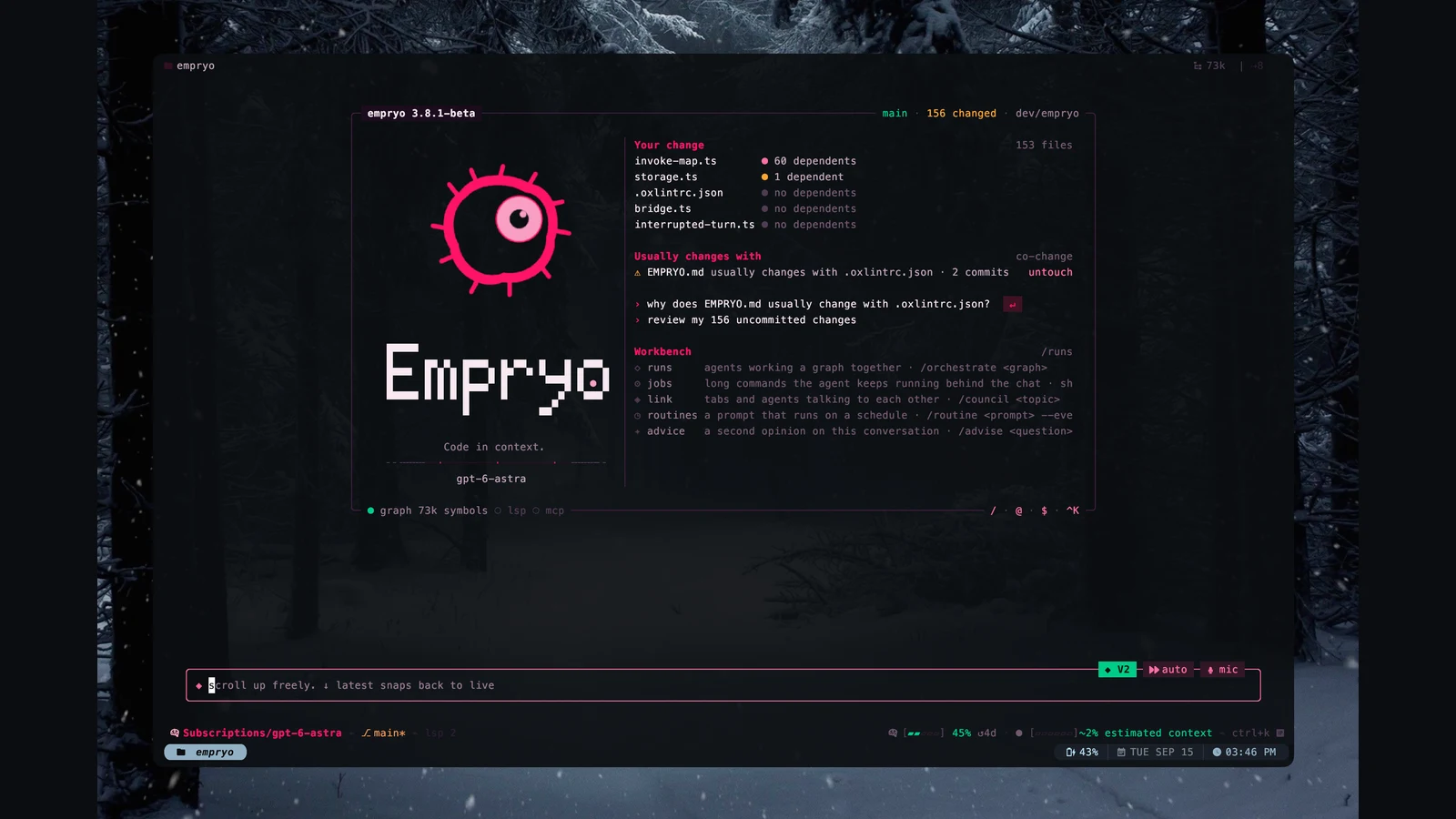 What is an AI agent harness? Follow one code change
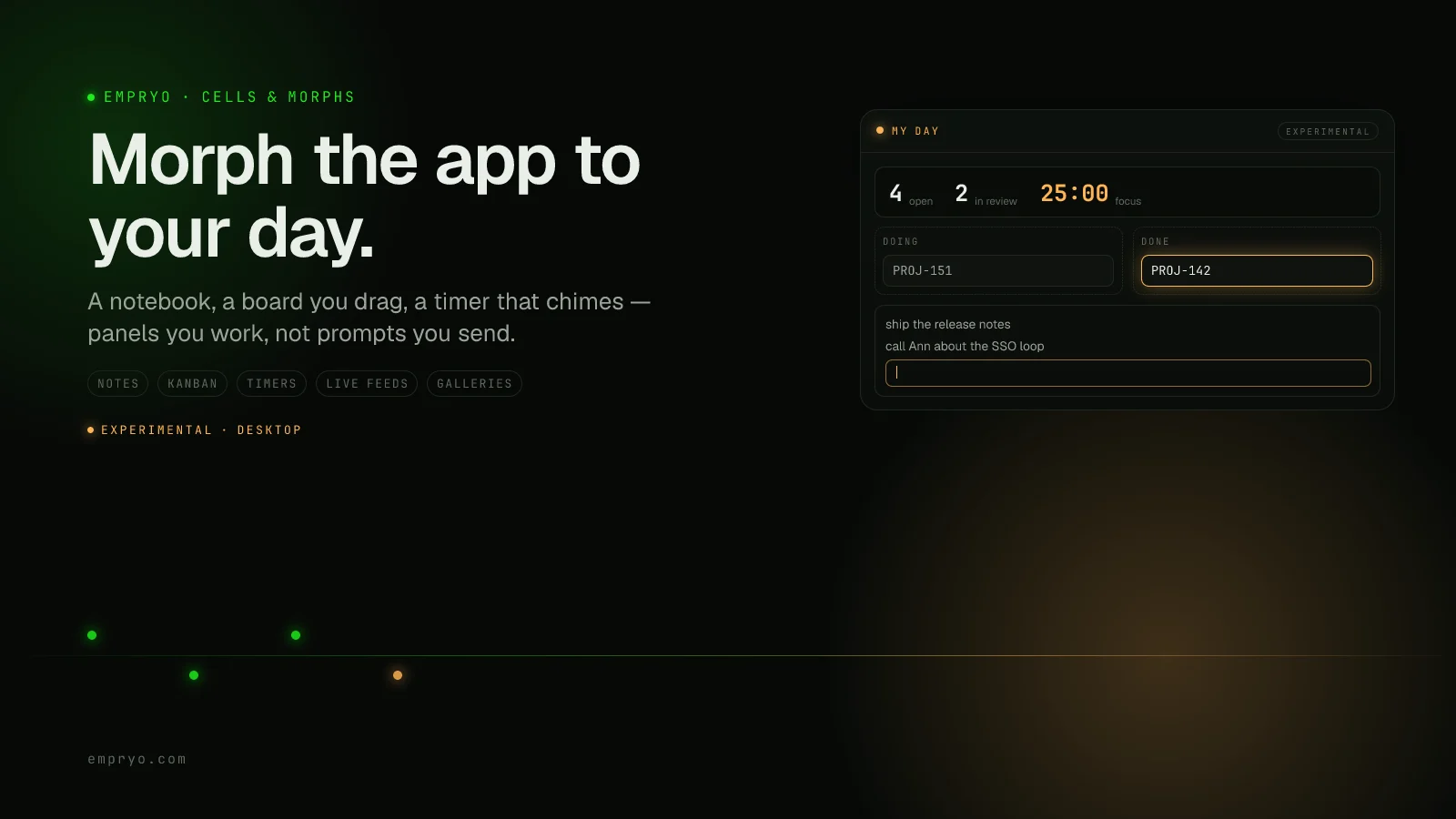 I stopped building panels and let you morph the app